Why Hebrew Matters
BY BENNY MARMOR – מאת בני מארמער
זאת המהדורה הראשונה של כתב העת סולומון שתכלול מאמר בעברית. קידמנו את היוזמה הזאת מתוך אמונה רבה בחשיבותה של השפה העברית לעם היהודי ואנחנו מקווים שהכללת עברית בדפינו תעורר השראה ותהווה דוגמה להוכיח לכל תלמיד יהודי שאפשר ללמוד את השפה העברית. למרות מרכזיותה ביהדות, הקהילה היהודית בארה״ב נכשלה במאמציה ללמד ולהשתמש בשפה העברית. למרות השקעה של יותר ממאה מיליון דולר בבתי ספר, רק %13 מיהודי ארה״ב ב-3102 היו מסוגלים להבין את רובו של מה שהם קוראים בעברית, לפי מרכז המחקר פיו.
This article marks the first edition of the Solomon Journal that includes a Hebrew article, accompanied by its English translation. We began this initiative with a firm belief in the importance of the Hebrew language for the Jewish people, and with the hope that the inclusion of Hebrew in our pages will serve as an inspiration that learning Hebrew is possible for every Jewish student. Despite its centrality in Judaism, American Jewry has struggled in its effort to teach Jewish students Hebrew. Notwithstanding an investment of over one hundred million dollars in Hebrew language learning programs, only 13% of American Jews can demonstrate proficiency in reading Hebrew, according to a 2013 Pew Research Center survey.
במאמרו שפירסם לאחרונה במוזאיק, קול ארונסון טוען כי כישלון זה נובע מחוסר דחיפות. חוסר היכולת של ילדי יהדות ארה״ב לדבר בעברית אינו נובע רק מחוסר מורים או כישלון של תוכנית לימודים; אלא משום סיבה מהותית: לתלמידים אין טעם ללמוד את השפה. אבל לדידנו, הבעיה היא לא דחיפות, היא חוסר הדגש על זהות.
The writer Cole Aronson suggests in an article for Mosaic that this failure arises from a lack of urgency. The inability of American Jewish children to speak Hebrew is not simply a problem of adequate teachers or poor curriculum, rather, a general belief that the students do not have a pressing reason to learn the language. However, we at the Solomon Journal believe that the real problem is the lack of focus on identity in Hebrew education.
לפי ארונסון, יש סיבה אחת שיכולה לגרום ללמידת שפה על ידי הרבים: הכרחיות. הפעם היחידה שיהודים הצליחו להנחיל שפה לילדיהם הייתה או כשהם חיו בקהילות סגורות ודברו רק שפות יהודיות כמו יידיש או ערבית-יהודית בינם לבין עצמם או כאשר הצורך לעזוב את מדינתם היתה כל כך נחוץ שילדיהם לקחו על עצמם ללמוד עברית מתוך צפייה לעתיד שבו יצטרכו לעזוב את בתיהם ולעלות לארץ. בלי הכרחיות כזאת, ארונסון טוען שאי אפשר לשכנע את ילדי ארה״ב שיש יתרון ללימדת העברית.
According to Aronson, only one factor leads to language acquisition: necessity. The only times Jews have succeeded in passing their language to their children was either when they lived in cloistered communities speaking only Jewish languages (like Yiddish or Judeo-Arabic), or when the need to leave their countries was so urgent that the children took it upon themselves to learn Hebrew and made Aliyah. Without a similar necessity, Aronson claims it is impossible to convince the children of America that there exists utility in learning Hebrew.
ארונסון רואה את השפה העברית ככלי לעזור בתקשורת עם ישראלים או להבנת טקסט במקורו. כהוכחה לכישלון של תלמידים אמריקאים ללמוד עברית הוא כותב שתלמידים אינם יכולים להשיג מטרות מעשיות כמו להבין פסוקי התנ״ך, לקרוא עיתון, או לנהל שיחה. למרות שהדגש על השימוש בשפה הוא הגיוני, הוא כותב כאילו שפת העברית היא רק כלי. ארונסון מתעלם מהעובדה ששפה היא גם היסוד של זהות, ושזהות גם יכולה לשמש כמוטיבציה ללמידת שפה.
Aronson sees the Hebrew language as a tool to help American Jews communicate with Israelis and for understanding texts in their original form. To evidence the failure of American children to learn Hebrew he writes that students are unable to achieve practical goals such as understanding the Hebrew Bible, reading a Hebrew newspaper, or conducting a conversation. Although Aronson’s focus on utility is logical, he speaks as if Hebrew is only a tool. Aronson ignores the fact that language is also the foundation of identity, and that identity can also serve as a motivator for language learning.
אחד העם כתב במאמרו ״צורך ויכולת״ שעברית היא ״הלבוש הטבעי של היהדות, שבּו נולדה וגדלה והאריכה ימים.״ אפילו בעת ניסיון ללמוד את השפה העברית התלמיד סופג אלפי שנים של זהות יהודית. כל מילה, ביטוי, ושורש מפנים למקור בתנ״ך, בשירה, בספרות, או במשנה וכוללים בתוכם את הנפש המיוחדת של העם היהודי. אוצר מילים משותף נובע משורשים משותפים.
The Zionist thinker Ahad Ha’am wrote in his piece “Need and Ability” that Hebrew is “the natural vestment of Judaism, in which Judaism was born, matured, and aged.” In the effort to learn Hebrew, the student absorbs thousands of years of Jewish identity and tradition. Every word, phrase, and root of the Hebrew language, poetry, and literature references a source in the Bible, the Talmud or the Mishna, and includes within it the unique Jewish soul. When there is shared vocabulary, there are shared roots.
השורשים האלו יכולים לשמש לא רק לחיזוק הקשר בין יהודי ארה״ב לארץ ישראל או הבנת טקסטים מסורתיים אלא גם כגשר של זהות משותף ליהדות שהיא יותר ויותר מפולג. ידיעה ולמידה רב בשפה העברית יכולה לתת בסיס להגן מפני ההתבוללות ולשמש כקשר לאומי לא רק בין יהודים ממדינות שונות אלא גם בין בני מסורות שונות. עברית יכולה לתת שפה משותפת לשיחות בין זרמים ביהדות שמתקשים יותר ויותר למצוא קשרים ביניהם. יהודים שמרנים יותר ויותר מתעלמים מאחיהם הפחות שמרנים, בעוד שיהודים פחות שמרנים מתקשים להיאבק בהתבוללות. שפה משותפת יכולה להתמודד עם שתי בעיות אלו, בכך שהיא תכריח שתי קבוצות אלו להכיר בקשריהם לכלל ישראל. אלו אינם רק יתרונות, אלא גם גורמי מוטיבציה; ככל שיותר אנשים ילמדו עברית, כך יגדל תחושת השייכות הנובעת משפה משותפת; וכך יגדל המוטיבציה ללמוד השפה מעבר לסיבות פרקטיים.
These roots can be used not only to strengthen the connection between the Jews of America and Israel or to understand traditional Jewish texts, but also as a bridge of shared identity for an increasingly fragmented Jewish people. Widespread knowledge of Hebrew could provide a foundation to prevent assimilation and serve as a connecting force not only between different countries, but also between different Jewish traditions. Hebrew can provide a shared language for conversations between different denominations that have increasingly struggled to find common ground. More traditionally observant Jews are increasingly isolated from their less observant brethren, and less observant Jews are struggling to combat assimilation in their ranks. A shared commitment to the Hebrew language could force both sides to acknowledge their connection to the Jewish people. These are not only benefits, but also motivators; as more Jews learn Hebrew, the greater the feeling of belonging, providing a needed incentive for learning Hebrew beyond the practical.
אז, בין אם זה דרך דואולינגו, ספרות עברית,תנ״ך, סדרה ישראלית, או מאמר בשביל כתב העת סולומון, אני מזמין אתכם להצטרף לשרשרת של השפה העברית, ולהסתכל על עברית לא רק ככלי, אלא כבסיס לעתיד יהודי יותר מאוחד.
So, whether it is Duolingo, Hebrew literature, the Hebrew Bible, an Israeli television show, or an article for the Solomon Journal, I invite you to join in the unbroken chain of the Hebrew language, and see Hebrew not only as a tool, but as a foundation for a more united Jewish future.
Suggested Reading

Shining Our Light Unto the Nations Through Jewish Teachings
BY ADIN LINDEN Jewish history is rife with enemies, from the Egyptians to the descendants of Amalek, a lineage that is seen as the greatest enemy of the Jews and…

Between Separating Ourselves and Seeing Ourselves in Others
BY YAEL BURGESS EISENBERG When a gentile came before Hillel and said he would convert to Judaism if Hillel could teach him the entire Torah while standing on one foot,…
Fortifying the “Torah” in Torah u-madda: A Plea to Modern Orthodox Day Schools
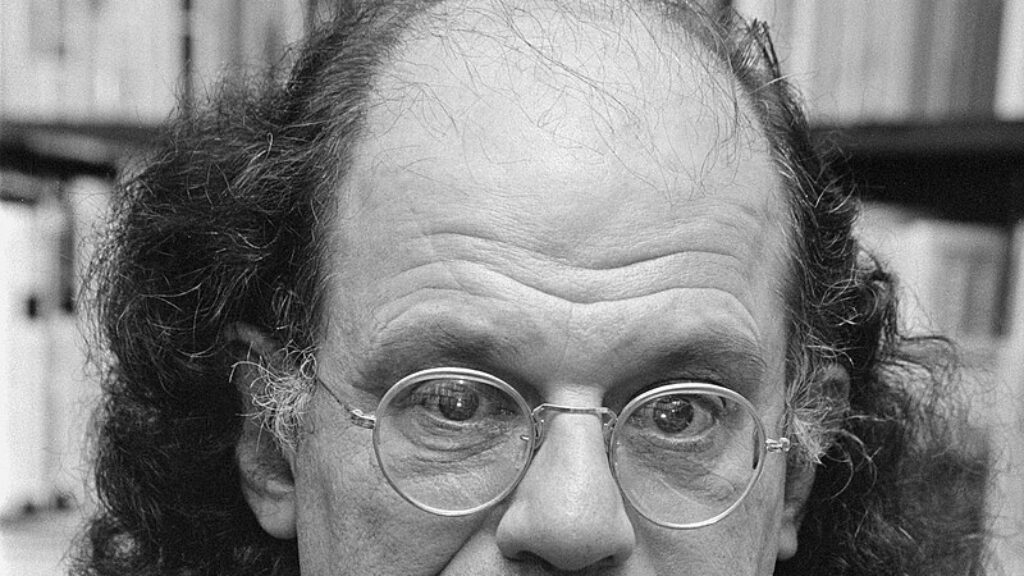
In a deep look at his background and motivations, the picture of Jewish writer Allen Ginsberg becomes more clear to the observer. His difficult past and masterful mix of secular, religious, and kabbalistic, as well as various other, themes in his work came to a head in his poem "Kaddish", written to be an elegy for his mother.

Learning as Creation: The Power of Jewish Education
BY ZACHARY KROHN It is no secret that education is one of the highest values of Judaism, and one can give many reasons for why that is the case. Education…