The Science Behind Shabbat
BY HODAYA HARARY
“And God blessed the seventh day and declared it holy—because on that day He rested from all the work of creation that God had done” (Genesis 2:3). The Day of Rest has evolved from a Jewish idea to one embraced across Western societies. Friday night and Saturday allow us to throw off the shackles of work and recover from an exhausting week. No one likes to give up a weekend; it is a sacred time for family, hobbies, and anything in between.
Jews take this idea further, sanctifying the day by refraining from melacha, typically defined as creative work. Melacha includes not only physically demanding tasks such as sawing, cutting, and hammering, but also non-exertional work such as turning electricity on and off, checking email or social media feeds, and even typing this article. God commanded the Jewish people to rest on Shabbat, but in addition to the spiritual requirement, are there empirical benefits to this practice?
It seems likely, according to Georgetown University psychology professor, Dr. Kostadin Kushlev. In a recent study published in PNAS Nexus, Dr. Kushlev and colleagues report that refraining from screens has significant psychological benefits. The researchers instructed five hundred participants to block access to the internet and social media on their phones for two weeks. Though only a quarter successfully completed the challenge, the digital detox still proved worthwhile: participants experienced reduced anxiety, depression, and other negative markers, and increases in attention span. Even those who could only resist technology for short periods reported improvements in these areas.
If these are the results after a single technological respite, imagine the psychological benefits of a regular break built into one’s week—in other words, Shabbat. The researchers found that when participants were offline, they filled their time with other, more beneficial activities—socializing, exercising, and spending time in nature—as Jews tend to do on regular Shabbat afternoons.
Just as recreational activities shape Shabbat, physical rest makes the day complete. In fact, some rabbinic commentaries relax the standard Shabbat laws for the sake of a peaceful slumber under certain conditions (Mishna Shabbat, 2:5). It is also customary to take additional “Shabbat naps” during the day, supplementing the conventional nighttime slumber.
The measurable benefits of sleep for the mind and body have long been established. Research shows correlations between increased sleep and improvements in metabolism, memory, and immunity, to name a few critical health areas. Nonetheless, Jewish theologians understood the value of sleep centuries before modern scientific investigation began. Maimonides wrote that the ideal quantity of sleep is eight hours per night (Deot, 4:4), precisely the amount the National Sleep Association recommends today. Shabbat, which begins at sunset, returns the body to a proper schedule, in alignment with nature’s light cycles and its circadian rhythm. The emphasis Shabbat places on sleep allows us to feel renewed and refreshed and aligns with contemporary global health standards.
Jews believe that their religious rules are not arbitrary restrictions, but frameworks designed to elevate human life. Therefore, Shabbat is not merely an escape from the world, but a recalibration of how we live in it. Only recently have scientists articulated what Jewish tradition has maintained for millennia: intentional rest, disconnection, and sleep are necessities. Once a week, Shabbat requires us to step back—not to produce, not to optimize, not to scroll—but simply to be.
Suggested Reading

Shining Our Light Unto the Nations Through Jewish Teachings
BY ADIN LINDEN Jewish history is rife with enemies, from the Egyptians to the descendants of Amalek, a lineage that is seen as the greatest enemy of the Jews and…

Between Separating Ourselves and Seeing Ourselves in Others
BY YAEL BURGESS EISENBERG When a gentile came before Hillel and said he would convert to Judaism if Hillel could teach him the entire Torah while standing on one foot,…
Fortifying the “Torah” in Torah u-madda: A Plea to Modern Orthodox Day Schools
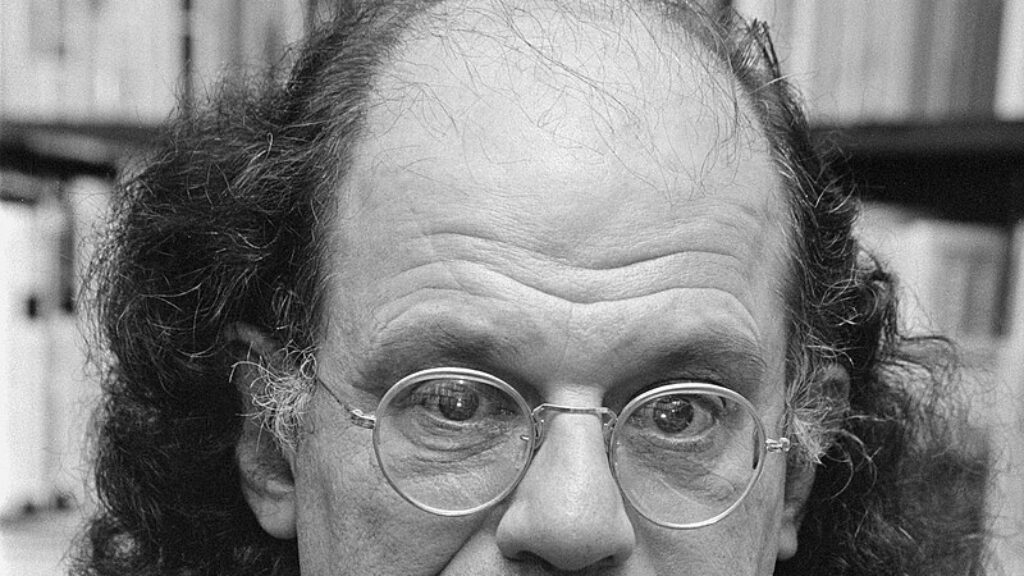
In a deep look at his background and motivations, the picture of Jewish writer Allen Ginsberg becomes more clear to the observer. His difficult past and masterful mix of secular, religious, and kabbalistic, as well as various other, themes in his work came to a head in his poem "Kaddish", written to be an elegy for his mother.

Learning as Creation: The Power of Jewish Education
BY ZACHARY KROHN It is no secret that education is one of the highest values of Judaism, and one can give many reasons for why that is the case. Education…