The Language of Exclusion
BY LIAD GELDWERT
Language can both unite and divide, and an English-language proficiency requirement in the US citizenship process risks exclusion rather than inclusion. Requiring English for citizenship ignores important historical realities, undervalues immigrant civic contributions, and diminishes America’s multilingual past.
The history of the United States shows that English language has never been the sole marker of belonging. Many regions were multilingual (and multicultural) long before English became the dominant language. European immigrants, Indigenous tribes, and slaves shaped the founding and spoke a variety of languages and dialects. In California, Texas, and the Southwest, Hispanic Spanish-speaking communities have deep roots; these regions were at the center of the Mexican-American War and were crucial to the development of the country as we know it today.
Despite America’s multilingual beginnings, we must grapple with a parallel history of coercion and exclusion. In the early 19th century, the Jackson Administration forcibly removed Native Americans from their lands on the Trail of Tears, and assimilation policies sought to eliminate their native languages and culture. Similarly, the Chinese Exclusion Act of 1882 legally barred Chinese immigrants from citizenship, which was fueled by fears of their “foreign” ethnicity and language. Many Yiddish-speaking Jewish immigrants from Eastern Europe who arrived in the United States in the early 20th century experienced discrimination and lack of employment and felt tremendous pressure to learn English to avoid prejudice. During World War II, the federal government infamously interned Japanese Americans out of fear that their language and culture tied them to an enemy state.
By tightening English requirements, the United States risks resurrecting a legacy of nativism that betrays America’s founding ideals. Enforcing an English language requirement would negate the significant contributions to our country made by those who did not, and do not, speak English. The expectation of English proficiency pressures families to abandon their native languages and the values, stories, and customs embedded within them. Requiring English proficiency also undervalues the civic contributions of immigrants who participate fully in American society. Many work, pay taxes, raise families, and volunteer in their communities without being fluent in English. Plumbing, landscaping, and truck driving do not require English fluency. Up to 40% of California’s construction force is foreign-born. Citizenship is more than a test of vocabulary — it is an ability to uphold the Constitution, work hard to accomplish the American Dream, pledge allegiance to the flag, and live by the common beliefs God bestowed upon us. By tying citizenship to English proficiency, the policy dismisses the efforts and participation of those who meet the responsibilities of citizenship.
English proficiency should not be a prerequisite for citizenship. America has always been a multilingual and multicultural nation, and true belonging comes from contribution and engagement, not the nativist beliefs of the past. Policies that enforce English erase culture and signal a refusal to mend past mistakes. American citizenship should celebrate hard work, civic participation, and commitment to America’s ideals, not forced linguistic assimilation.
Suggested Reading

Shining Our Light Unto the Nations Through Jewish Teachings
BY ADIN LINDEN Jewish history is rife with enemies, from the Egyptians to the descendants of Amalek, a lineage that is seen as the greatest enemy of the Jews and…

Between Separating Ourselves and Seeing Ourselves in Others
BY YAEL BURGESS EISENBERG When a gentile came before Hillel and said he would convert to Judaism if Hillel could teach him the entire Torah while standing on one foot,…
Fortifying the “Torah” in Torah u-madda: A Plea to Modern Orthodox Day Schools
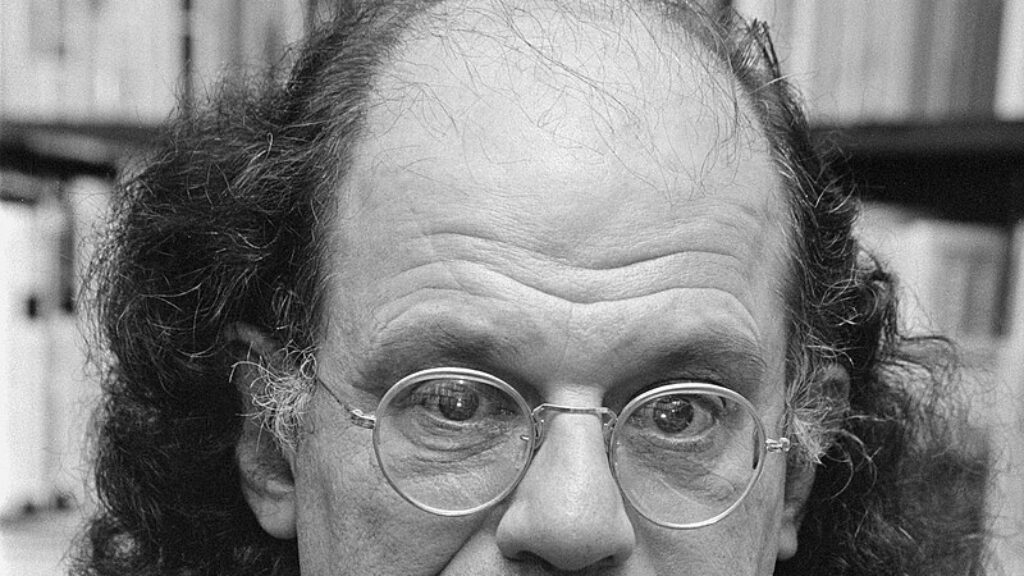
In a deep look at his background and motivations, the picture of Jewish writer Allen Ginsberg becomes more clear to the observer. His difficult past and masterful mix of secular, religious, and kabbalistic, as well as various other, themes in his work came to a head in his poem "Kaddish", written to be an elegy for his mother.

Learning as Creation: The Power of Jewish Education
BY ZACHARY KROHN It is no secret that education is one of the highest values of Judaism, and one can give many reasons for why that is the case. Education…